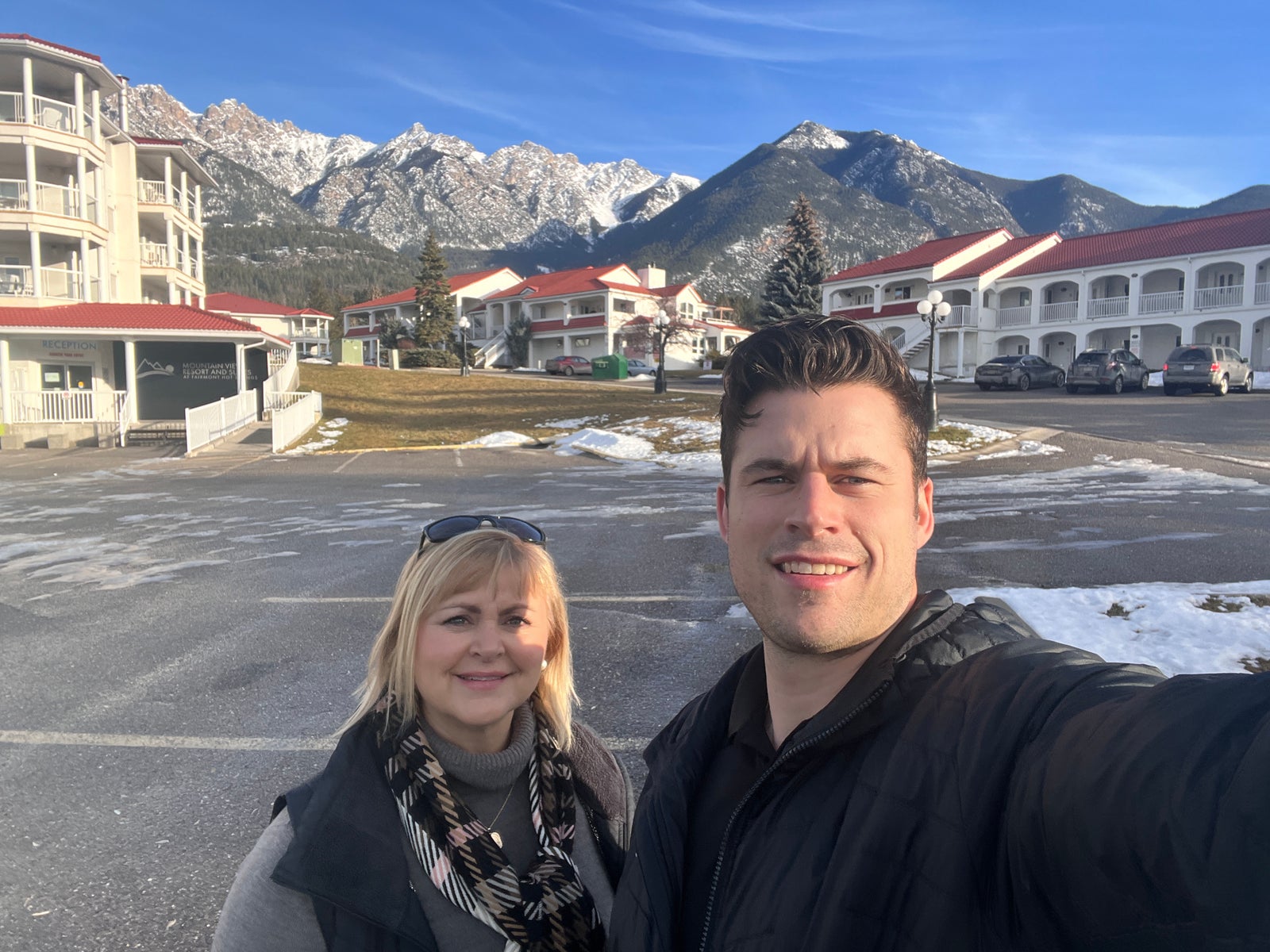
Fairmont Hot Springs sits at the south end of the Columbia Valley, built around the natural hot-springs pools, two golf courses, and a small ski hill — and it has long been the most affordable way to own in the valley. Much of what sells here is villas, townhomes, and condos, and a good share of them are owned in shares, which makes valuing a Fairmont property its own kind of question. Here's what Fairmont sellers ask us most.
What is my Fairmont Hot Springs property worth?
It depends first on what you own and where. Fairmont trades at the valley's most accessible prices, but "a Fairmont property" covers whole-ownership homes, resort villas, and co-owned shares — and each sits in its own market. Developments like Marble Canyon and Mountain View Villas price against their own recent sales, not a Fairmont-wide average. The honest number comes from a comparative market analysis against comparable sales in your own development — DK Rice prepares these for Fairmont sellers at no cost and no obligation.
How does co-ownership affect my Fairmont sale?
More than most owners expect. A lot of Fairmont's resort product sells in quarter and other shares, and a share is valued against recent sales of the same share size in the same development — not by dividing a whole-ownership price. Shares trade in a thinner, more specific market: fewer comparable sales, but also fewer competing listings, and a buyer pool that wants Fairmont weeks without Fairmont whole-ownership prices. Pricing to that pool, off what buyers actually paid, is what sells a share.
When is the best time to sell in Fairmont Hot Springs?
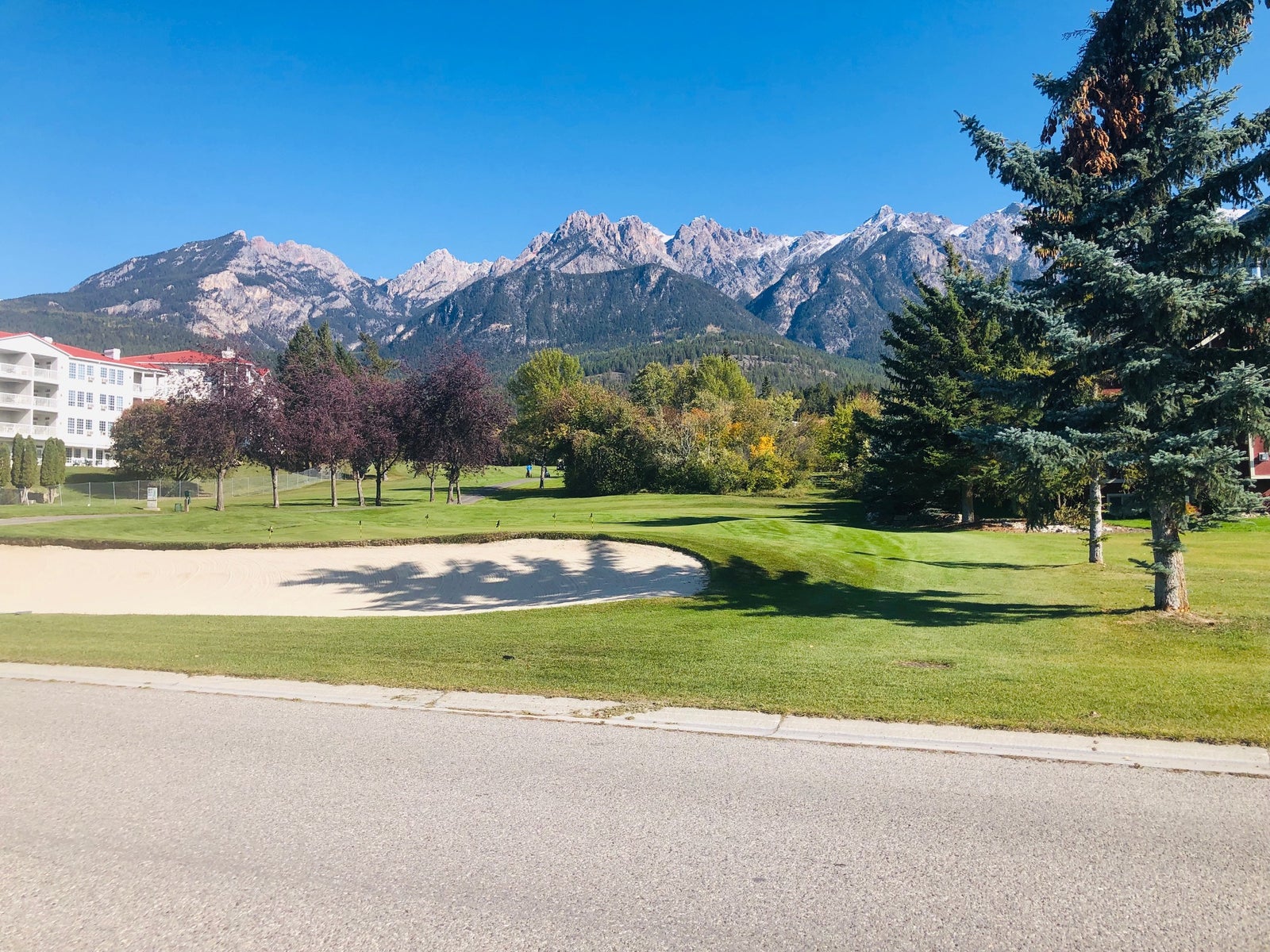
Fairmont is unusual in the valley because the hot pools draw visitors year-round, so interest holds up through the winter as well as the summer — a fall or winter listing here isn't the compromise it would be elsewhere. Early summer is still the biggest wave, when the golf and the lake bring the most people through. Whenever you list, the setting is the sale, so photos that show the pools, the golf, and the mountains do the heavy lifting.
What documents do I need to sell a Fairmont condo or share?
For a strata condo, buyers and their lenders will want the Form B Information Certificate, the depreciation report, recent strata minutes, the budget, and the contingency reserve details. For a co-owned share, they'll want the co-ownership and management agreements, the current cost breakdown, and any rules on how shares change hands, such as a right of first refusal. Gathering the right package before you list — not in the middle of an offer — is what keeps a Fairmont sale on schedule.
Who is buying in Fairmont Hot Springs?
Value-minded people looking for a recreational property in BC — Fairmont's distance from the lake hub is exactly why it's the most affordable way into the valley — along with retirees drawn to the pools and the quieter pace, and families who have holidayed in Fairmont for years and are ready for their own place. Many first-time valley owners start in Fairmont.
Do I pay capital gains tax when I sell a recreational property?
If the property is your principal residence, the sale is generally exempt from capital gains tax in Canada. If it's a second home or recreational property — as many Fairmont villas and condos are — a portion of your gain since purchase may be taxable, and it's worth a conversation with your accountant before you list, not after you sell. We're not tax advisors, but we can tell you what your property would likely sell for, which is the number that conversation starts with.
Related pages: Selling in Invermere · Selling in Radium Hot Springs · Selling in Panorama
Thinking about selling in Fairmont? Talk to the team that works the whole valley.
DK Rice — 250-342-5935 — dk@rockieswest.com
RT Rice — 250-270-5935 — rt@rockieswest.com