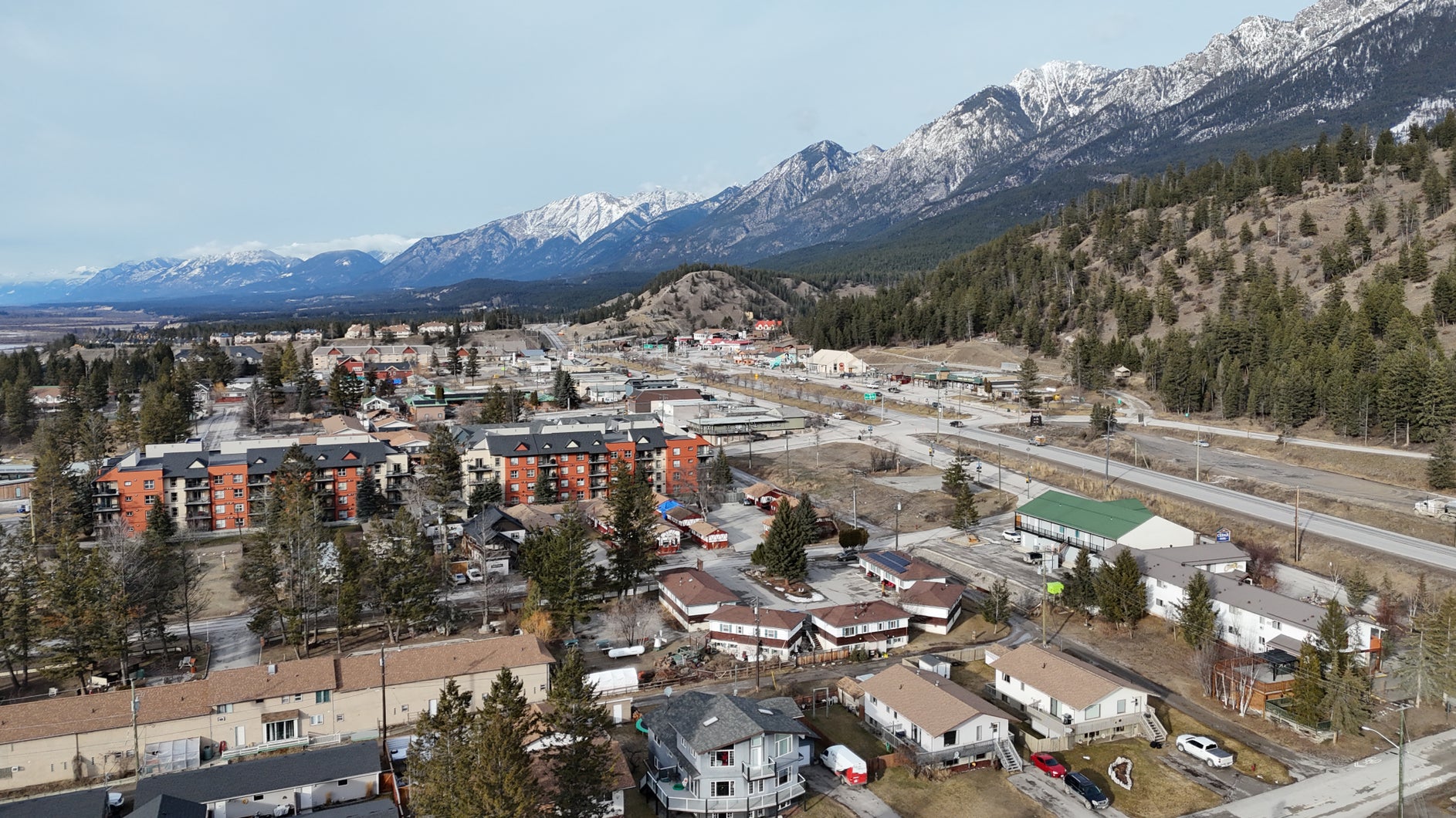
Drone shot of downtown Radium
Radium Hot Springs has officially adopted its updated Official Community Plan (OCP) after more than two years of public consultation, revisions, and community debate. The updated OCP introduces significant changes to short-term rental (STR) regulations, zoning designations, and land-use policies in Radium Hot Springs.
For property owners, investors, and buyers active in Radium real estate, these changes directly impact how properties can be used and how investment decisions should be evaluated moving forward.
Buyers exploring both Invermere real estate and Radium Hot Springs real estate should understand how STR regulations differ between communities before making a purchase decision.
For property owners, investors, and buyers active in Radium real estate, these changes directly impact how properties can be used and how investment decisions should be evaluated moving forward.
Buyers exploring both Invermere real estate and Radium Hot Springs real estate should understand how STR regulations differ between communities before making a purchase decision.
Watch the 60-second overview of the Radium OCP update below, then continue reading for a detailed breakdown.
What Changed in the OCP: A Snapshot
The updated Official Community Plan and revised Zoning Bylaw reflect the Village of Radium Hot Springs' efforts to balance tourism-driven economic activity with the need for long-term housing stability and community character. The OCP update replaces the old 2013 plan and sets the policy framework that guides development, land use, and long-range planning decisions.radiumhotsprings.civicweb.netA major area of change centers on how short-term rentals are regulated. While the details of every provision are complex, the key updates include:- New STR regulatory categories and zoning distinctions
- A focus on confining certain types of STRs to commercially zoned areas
- Transitional provisions for existing STR operators
- Updated wording in the zoning bylaw to reflect the OCP’s policy intent. These changes were born out of extensive public engagement, including open houses, surveys, and public hearings over the past two years. radiumhotsprings.ca/ourpathforward
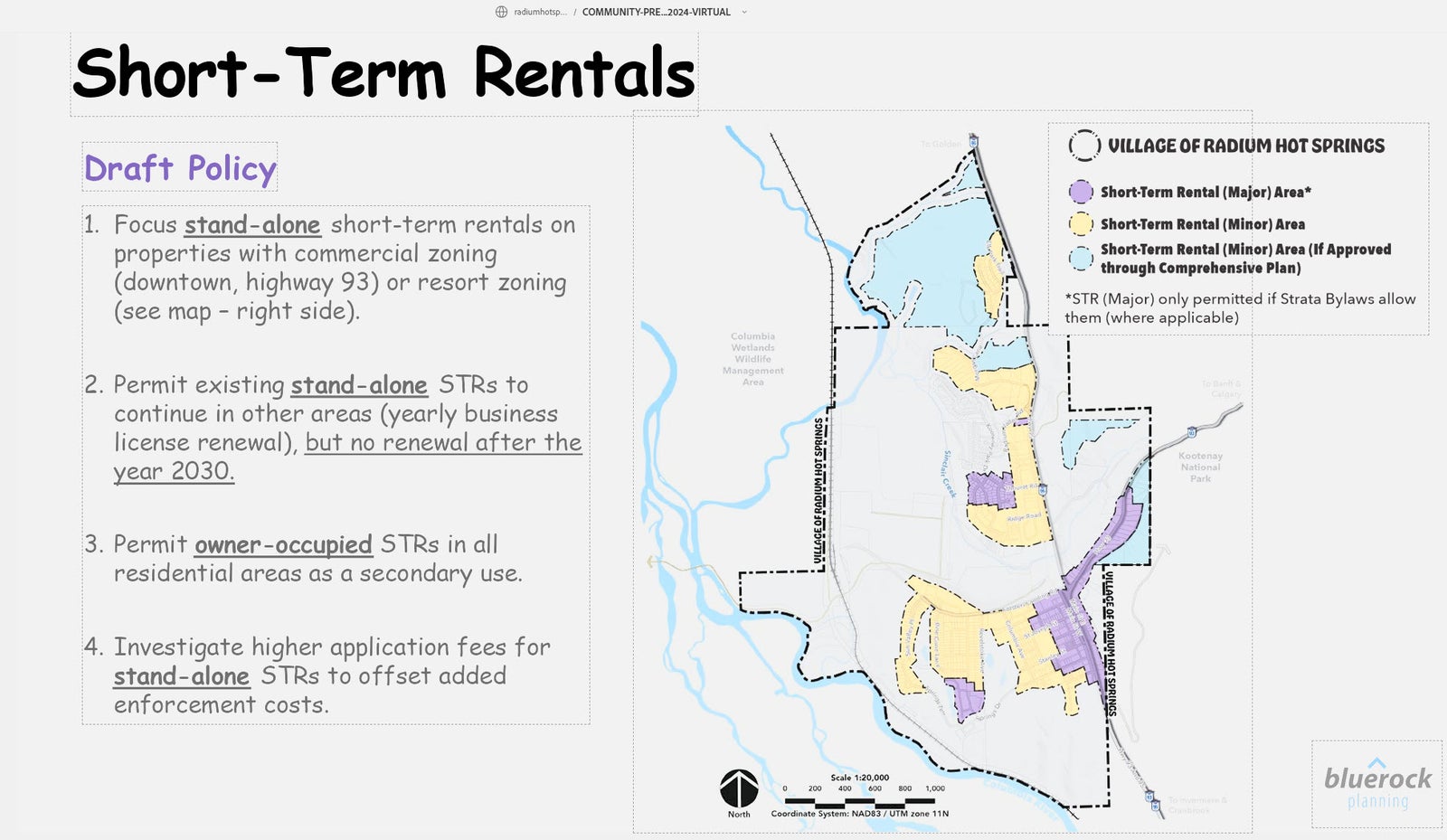
For visitors and homeowners alike, the Village is trying to articulate a “Made in Radium” approach that respects both longstanding tourism uses and evolving housing needs.
STRs in the New Radium OCP: Major Themes
STR Minors vs STR Majors (Explanation & Distinction)
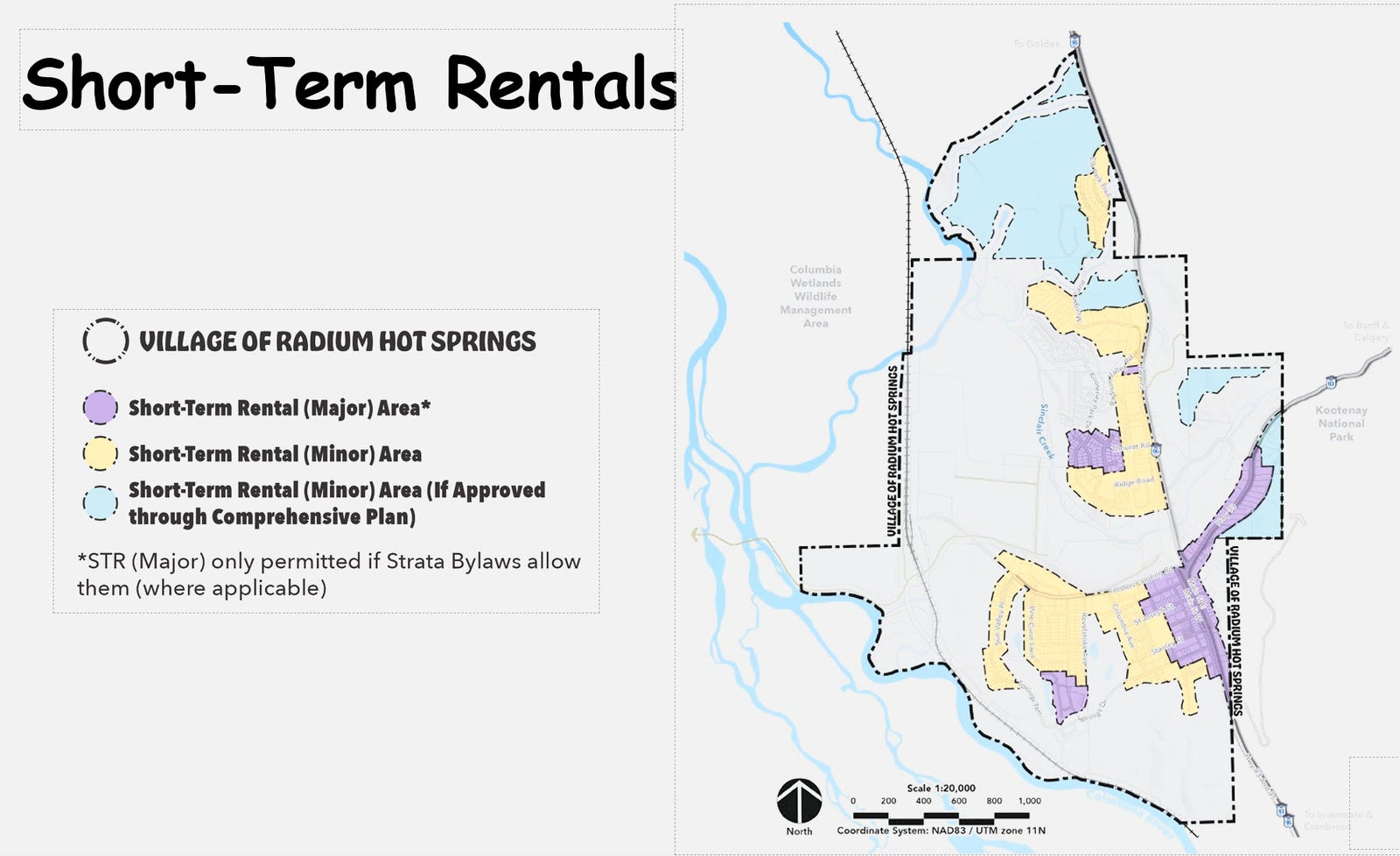
One of the more confusing aspects for many residents has been the terminology around short-term rentals. Though Radium’s official documents don’t explicitly label them “minors” and “majors,” residents and commentators often use this shorthand to differentiate:- STR Minor: Short-term rental units that are a secondary use, such as an owner-occupied home where part of the space is occasionally rented (often seen as less disruptive).
- STR Major: Stand-alone rental units that exist primarily for tourism income and are not occupied by the owner as a primary residence. This distinction matters because many proponents of STR regulation want to allow owner-occupied secondary use STRs more freely while restricting stand-alone rental units that can compete directly with long-term housing.
Grandfathering and Sunset Provisions
At public hearings and in community responses, one major issue raised was how to treat existing STR operators. Many property owners voiced concerns that new regulations should not abruptly displace their existing income streams or investment expectations. In response, the OCP and implementing zoning changes include transition or “grandfathering” provisions that allow existing STRs to continue operating under prior rules for a defined period before the new restrictions fully apply. This approach attempts to be fair to existing owners while still advancing new policy goals.Note: Specific regulatory provisions may be found directly in Zoning Bylaw No. 528, 2026 and related policy documents on the Village’s planning page.Community Reaction at Public HearingsShort-term rentals were one of the most discussed topics during public hearings. According to reporting from the Columbia Valley Pioneer and engagement summaries:
- Many residents expressed concern that stricter STR regulation would not necessarily convert STR units into long-term rentals or make housing more affordable.
- Opponents argued the new rules could harm tourism, a central economic driver of Radium, especially if visitors choose neighbouring communities with fewer restrictions.
- Supporters of regulation often cited quality-of-life issues such as noise, high guest turnover, and community character as reasons to tighten controls. The community remains divided, with nuanced perspectives from long-time residents, part-time owners, and business leaders.
Why It Matters to Property Owners & Buyers
The updated OCP and zoning changes have implications beyond policy text:- Existing STR owners may have a transition period to operate under current norms before stricter rules take effect.
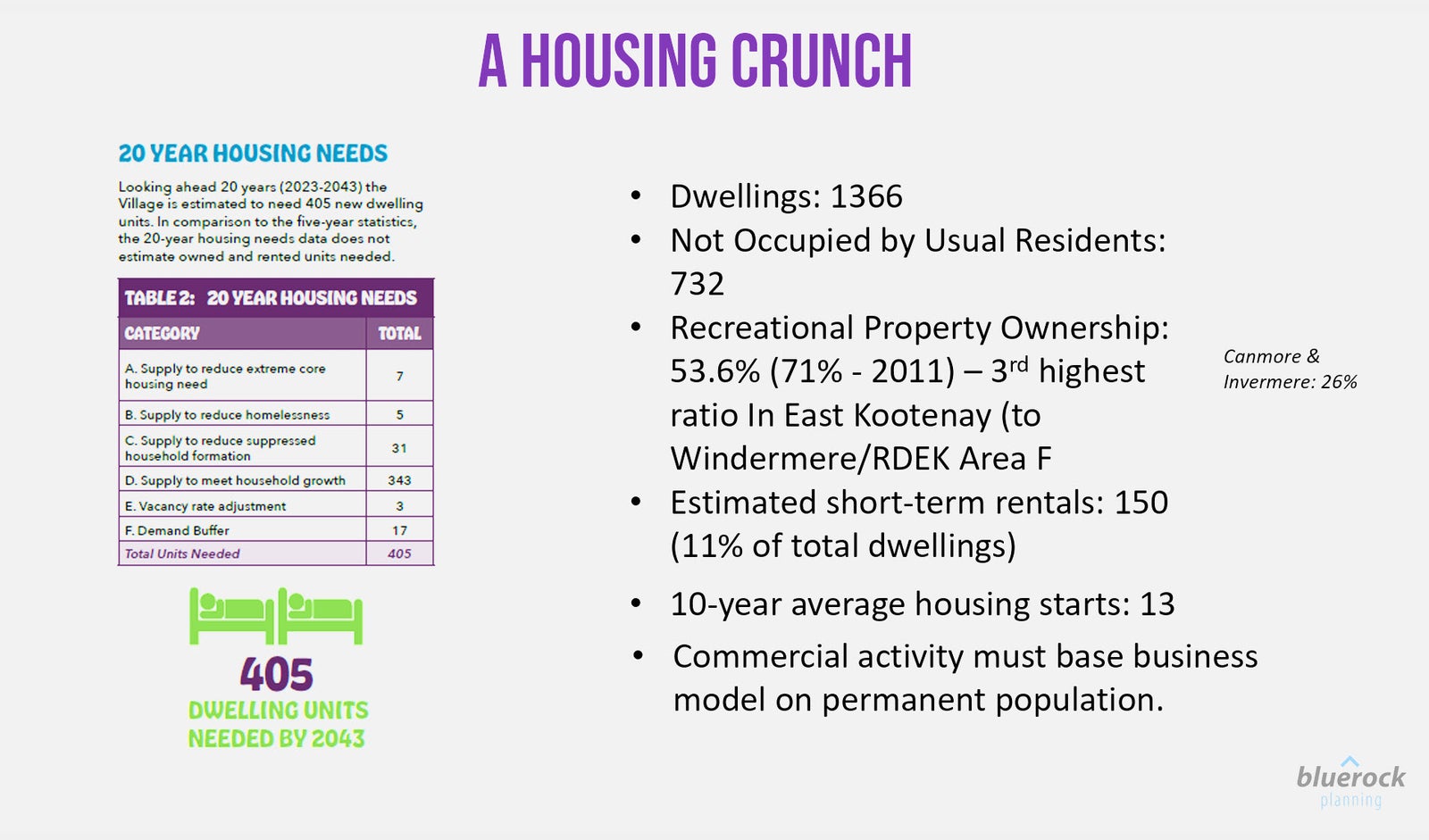
- Buyers considering investment properties need to understand how future regulations could affect revenue prospects and resale value.
- Neighbours and residents often see STRs as both economic assets and quality-of-life challenges.